amaTrac uluntu was registered as a Non Profit organisation in 2012. Our work started with providing health care for working donkeys.
We soon realised that donkey owners cared about their donkeys, but lacked appropriate skills to manage their traction services as small businesses and in donkey welfare and care.
Our work now aligns with the One Health One Welfare concept where the interconnectedness of animal, human and environmental health are realised.
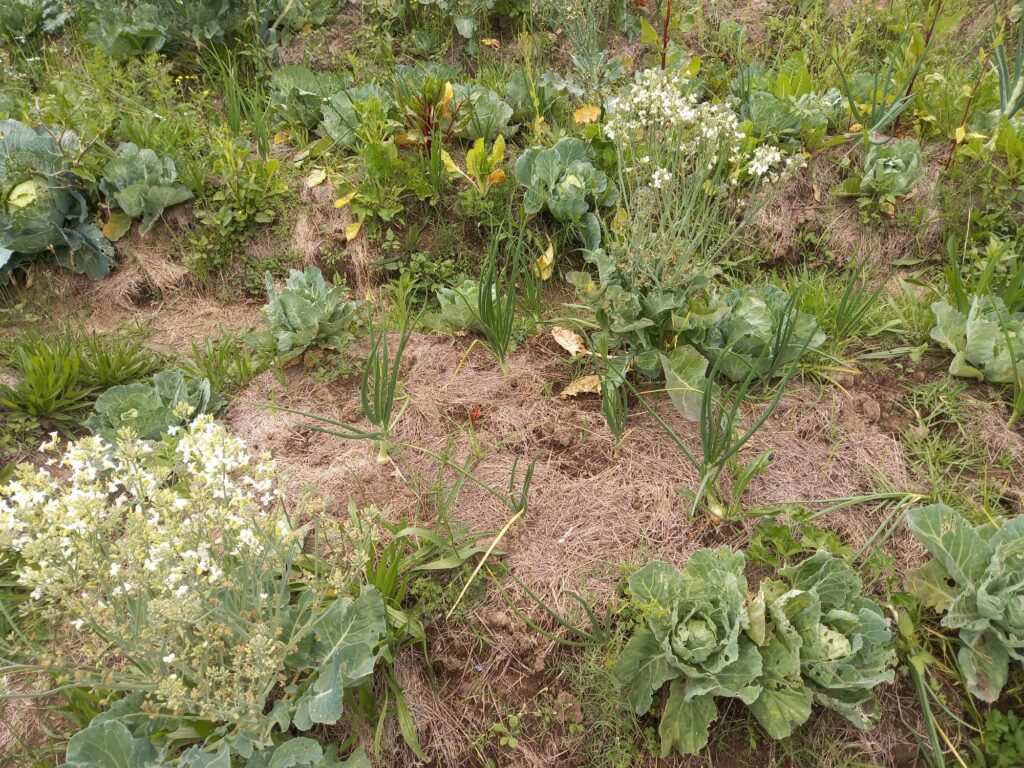
In 2019 we included working with whole communities using donkey traction for food security.
We train people to develop and manage community food gardens – Agricultural Resource Hubs. Here the community grow organic food using traditional and permaculture techniques, for the community.
Wild pollinated seeds are harvested, germinated and used to replenish the garden and sell to the community.
Our Humane Education component grew to include environmental awareness after requests from learners.
Our work is guided by the requests, assets and skills of the people we work with in rural villages.
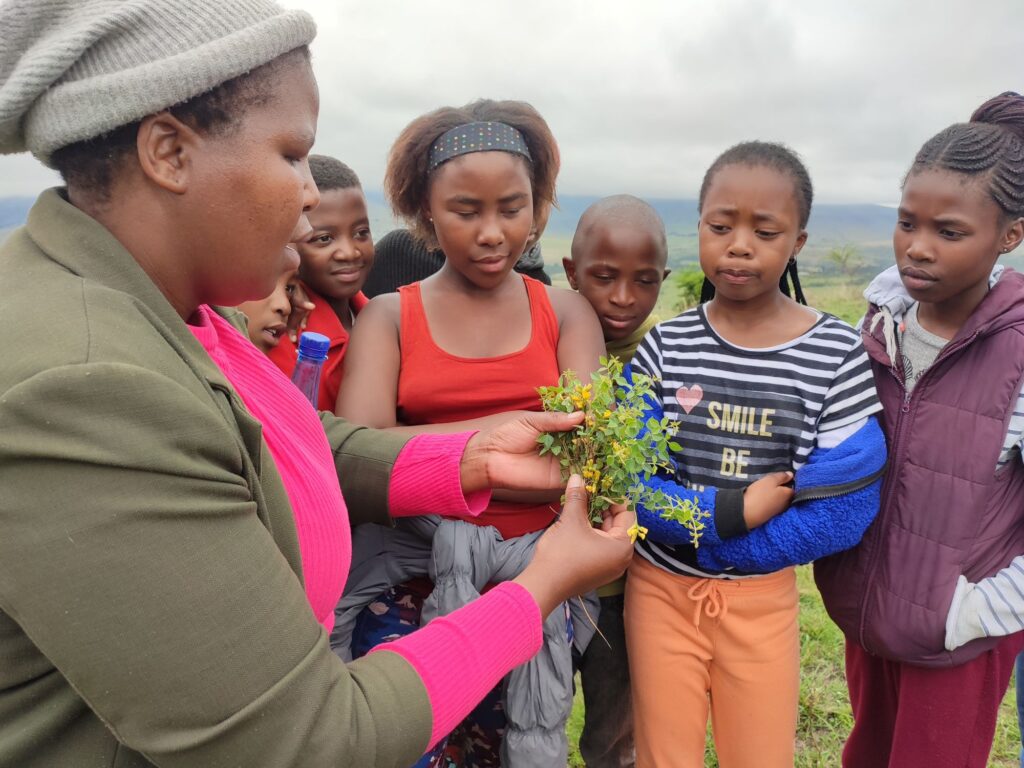
In 2023, our environmental awareness component grew after we received requests from the communities to assist them with understanding changes in their surrounding environment, including land restoration.
During the initial phase, we conducted participatory approach discussions to collate environmental issue narratives from each community.
A holistic approach to environmental management, in conjunction with the local community, led to the conclusion that soil is the most valuable resource at our disposal. Consequently, there was a strong interest in combating soil degradation and restoring the natural ecosystem services.
In collaboration with the South African National Biodiversity Institute, Biodiversity Management Services and Cape Parrot Project, The Reconnecting People with Biodiversity work aims to create awareness of the importance of conservation as a whole by restoring ecosystem services that the village people rely on and instilling a sense of ownership and custodianship in these communities.